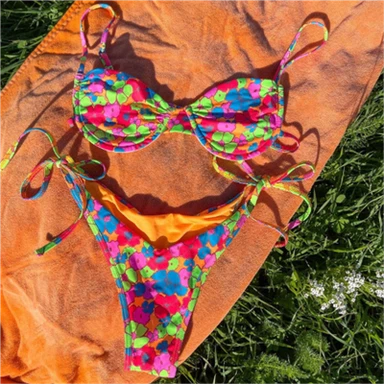
How to Wash Your Swimsuits to Prevent Fading and Stretching
Jul 26, 2023
All the things that most of us love about summer—bright sunshine, dips in the pool, and long days at the beach—are rough on our swimsuits.
Heat, chlorine, and salt cause colors to fade and reduce the material’s resilience over time, while sunscreen and body oils can leave tricky stains.
On top of that, synthetic swim fabrics are prone to a number of other woes, including pilling and persistent odors.
1. Rinse before and after you swim
Rinsing in fresh water immediately after emerging from the ocean or pool is a no-brainer—it helps to remove some of the chemicals, salt, and sand that your suit has been exposed to until you can give it a proper wash. Less well-known is the importance of rinsing off before diving in. In fact, a pre-swim rinse also serves a suit-saving purpose. Swim textiles contain polymers that are engineered for resilience—that is, their ability to stretch and bounce back. While they’re generally quite durable, prolonged exposure to water containing salts, minerals, and chlorine eventually breaks down the polymers that give the fabric its stretch. When you rinse first, the construction of filaments in the material will be filled with fresh water, and therefore will wick less of the chlorinated or salt water.

2. Wash promptly with a mild detergent—after every wear
Don't leave a wet swimsuit balled up in a plastic bag or buried at the bottom of the hamper. Not only does this stress the fabric, it also encourages mildew growth and gives funky odors more time to set in. To keep your swimwear looking, functioning, and smelling its best, wash your suit according to the care instructions on the label as promptly as possible after every wear. If you’re just rinsing with water and thinking that will be enough, it may not be. Wash with a small quantity of detergent after every wear to remove any salts, minerals, and chemical deposits within the construction.

3. Air-dry flat with a fan
Make sure that your swimsuit dries fully before putting it away, as any lingering moisture can cause odors and prematurely age fabrics. Unless your machine has a no-heat option (sometimes called “air fluff”), steer clear of the dryer—heat is damaging to the stretchy synthetics favored in swimwear.
4. Tackle stains (and check your sunscreen)
The polymers in swimwear fabrics have a bad habit of retaining oil-based stains. If you spill anything oil-based, like sunblock, onto the material, it clings to it. Luckily, most stains can be addressed with the same gentle detergent you use to wash your suit regularly. If you notice any oily stains on your suit, pretreat the areas with liquid detergent and wash with the warmest water that the garment can tolerate (typically lukewarm water for swimwear). Your best bet is to prevent these stains before they happen by opting for a sunscreen that doesn't contain avobenzone.
5. When it comes to odors, prevention is the best cure
Washing your suit promptly should keep the most offensive odors at bay. Let’s focus on prevention. Smells can mostly be resolved at the washing stage; if you’re washing promptly, why go the extra mile?

6. Avoid pilling and abrasion
Synthetic fibers will pill, no matter what. Because they are very strong, they hold onto their pills, so it's more noticeable than pilling on natural fibers. When you use the shaver, it will lead to even more pilling because you're thinning out the material. The only way to avoid pilling is to avoid abrasion. So, skip sitting on scratchy cement pool decks and rocky beaches if you can. If you're sitting, sit on a towel.