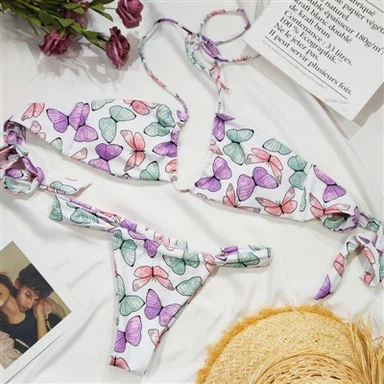
How to care for your Eco-friendly swimsuit?
Nov 20, 2023
Since eco-friendly swimwear is not only helpful for the environment but also looks great, people have been purchasing it for a while.
However, there are several procedures you should take if you want to maintain your new buy looking its best.
The swimming suits and bikinis with the longest lifespans are the most environmentally friendly! You need to properly take care of swimwear to ensure that they will last a long time, but how can we achieve this?
Here are some tips for maintaining your swimwear.

HAND WASH IN COLD SOAPY WATER
Even if you only wore your swimsuit for sunbathing, it is recommended to wash it immediately away. Going in for the kill is chlorine.
Colors may fade and threads may weaken. Additionally, bodily oils like sunscreen and others might harm your swimwear. According to reports, lotion and oil formulas based on minerals are particularly skilled at generating subtle stains and yellowing.
Use cold water to rinse your swimsuit.
Your swimsuit should never be washed in hot water as this will harm the fabric. Use a sensitive detergent or mild hand soap in its place.
LAY FLAT OUT TO DRY, OUT OF DIRECT SUNLIGHT
Do not wring out your swimsuit, even though you might enjoy doing so! To remove the majority of the water, tightly roll it in a towel for a short period of time.
After that, put the pieces flat to dry; do not hang them! Additionally, be careful to avoid direct sunshine, which might fade the colour.

SWITCH THEM UP
Elastane requires time to heal. Your swimwear needs time to recover its shape (just like we need some time to get back in shape).
Changing your swimwear while on vacation will help it keep its form.
WATCH OUT FOR MOLD
It's crucial to store your dry swimwear in a dry location with regular circulation and ventilation in order to prevent moisture from accumulating in clothing.
Additionally, avoid keeping wet swimwear in your towel for as extended period of time.
DON'T SIT ON IT
It would be unfortunate if sitting on wood or other hard surfaces tore the fabric. Sand and dirt should also be avoided because they might be abrasive.