
Do You Know Competition Swimsuit Fabrics?
Oct 13, 2023
Shopping for competition swimsuits can be confusing, especially if you don’t what you’re looking for. To best select a swimsuit, you must first determine the right fabric. Each material feels and fits differently in the water, so it is important to choose the right fabric to fit your needs. This guide will explain the pros, cons, and purposes of each competition suit fabric.
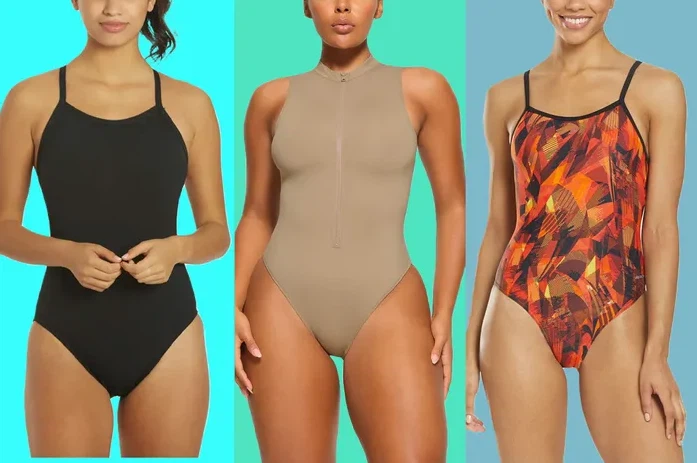
Nylon
Details:
- Ideal for drag suits and training suits.
- Very common fabric in swimwear.
- Often blended with Spandex for elasticity.
Pros:
- Offers a lightweight, smooth fit.
- One of the strongest manufactured fibers.
- Quick-drying and low-water absorbency.
- Lower-cost.
Cons:
- Has poor resistance to prolonged sun exposure, so fabric will fade and fray. (To help, rinse with cool, fresh water after each use.).
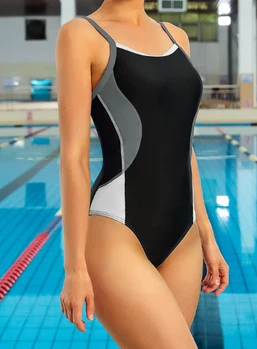
Spandex
Details:
- Ideal for competition suits.
- Competitive swimsuits should contain higher percent of spandex.
- Also known as Elastane or as brand name LYCRA®.
Pros:
- Form-fitting fit.
- Mid-range cost.
- Commonly used because of durable elasticity.
- Excellent elasticity and stretch, so even a small amount is vital for swimsuits.
Cons:
- Can be itchy if not blended with other fabrics.
- Does not hold up well in chlorine. Rinse with cool, fresh water after each use.

Xtra Life LYCRA®
Details:
- Ideal for competition suits.
- Often blended with other fabrics.
Pros:
- Longer-lasting than LYCRA® Spandex.
- Comfortable material.
- Retains color and shape.
- Chorine-resistant.
- Stronger elasticity than Spandex/LYCRA®.
Cons:
- More expensive cost.

PBT
Details:
- Ideal for fitness and competition suits.
- Best for outdoor swimming.
- PBT stands for polybutylene terephthalate, a texturized polyester.
- Often blended with Polyester.
Pros:
- Cost-effective and durable.
- Chlorine- and heat-resistant.
- Great stretch and elasticity, similar to spandex.
- Quick-drying and low-water absorbency.
Cons:
- More expensive cost.
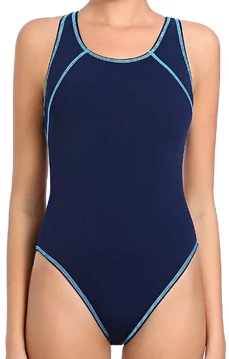
Polyester
Details:
- Ideal for competition suits.
- Durable alternative to Spandex.
- Common alternative to Spandex in competition swimsuits.
Pros:
- Form-fitting fit.
- Chlorine-resistant and colorfast.
- Durable material, even if not cared for properly.
- Doesn’t stretch as much as Spandex; holds shape well.
- 2-3 times longer lasting than Spandex.
Cons:
- Not as comfortable as Spandex.
- Higher cost.
- Not super stretchy, harder to put on at first.

Keep in mind that there are different blends of these fabrics in competition swimsuits. While one material may not have good shape retention, the other blended fabric will. Compare the materials listed to ensure you are getting exactly what you need.
There’s plenty of fabric and fabric blends available, but it is up to you to determine which composition best fits your swimwear needs. Now that you understand the differences between swimsuit materials, you’re ready to get out there and choose.
You Might Also Like
-

White Flower Print High Waist Two Piece Bathing Suits
-

Tie Side Thong Bottom Striped Terry Bikini
-

Orange Swimwear With U-shaped Gold Hardware Bandeau Bikin...
-

High Quality Bathing Suit Printed Bikini Set Tied Side Bi...
-

Stretchy Crinkle Seersucker Long Swim Dress
-
Glitter Halter Cut Womens One Piece Swimsuit